On Deleting My Personal Twitter Accounts

It was only more than a week ago when I deleted my two personal Twitter accounts, one of which was my main, general account, and of which was my NBA basketball-related account.

When I deleted my main account (which included the handle related to three of my favorite activities–running, writing, teaching), my total tweets numbered around 400 over a 2-year span. Before selecting the “really delete” option, I scrolled through my tweets, searching for content that was of substance. I found some, of course. There were pictures of my children, of the keyboards I play at church on Sundays, pictures of my backyard. Then there were words about a good workout: “57 and cloudy. Perfect for a 5-mile run.”

But I have not missed Twitter at all. I did, however, find myself better able to enjoy life’s moments without the “need” (read “desire”) to share them with others (or, read, “to establish a greater sense of self-worth”). I’m less attached to my iPhone, hunting for opportunities to tweet something funny.

When I first opened a Facebook account, in August 2008, I posted status updates about bland tidbits, trying to score as many likes as possible. “is making a vanilla latte this afternoon.” “is wishing the grading were done.” “is wishing he didn’t have to refer to himself in the third-person.” (Just kidding about that last one.) After a while, I felt more comfortable stating, “I” this, and “I” that.

What prompted me to delete my accounts? I started thinking about why I was tweeting. I wasn’t trying to get retweeted, or get a tweet favorited (well, most of the time), but I was wanting attention, saying, “look at me. I just ran a long distance. Did you? I got a poem accepted. Did you?” I was finding myself tired of and disgusted with my narcissism. “Oh, no, I didn’t tweet anything for two days.” I lamented the fact that I had around 80 followers while friends and acquaintances of mine had hundreds. It became a self-esteem issue, a self-worth issue.

There was additional difficulty, too, because I do, for example, want to promote my writing. But at the same time, I believe the greater calling on my life is to practice humility. I’m not suggesting that the use of Twitter to promote your writing (or your music, etc.) is wrong in and of itself. I know people who do that well, generously Tweeting regularly in support of other writers’ creative works. I, though, am not that person. And so, I left Twitter behind. Now that I’m post-Twitter*, my creative energy, even though I only tweeted 3-5 times a week (sometimes more, sometimes less) has increased, but more importantly, my disposition is better. I found that even though the 140 characters were limiting, I was using too much energy, attempting to create a tweet that would be memorable, pithy, and funny. In my writing, I am attempting to achieve those qualities, but I realized that I’d rather aim for those qualities in my poetry, fiction, nonfiction, as well as what I write in this space.

*I still maintain a Twitter account for the journal I edit: Windhover: A Journal of Christian Literature (@WindhoverMag), but there I only tweet about the journal.
200 Quick Words on Community

A week removed from my time at AWP ’15 (with all 14,000+ people), I find myself missing a particular community of writers of faith that I’ve come to know to and love these last few years. I find myself thankful to be a part of a community wherein there’s encouragement, humor, generosity, and fellowship.

I’ll admit to feeling inadequate and embarrassed at times because everyone (it seems to me) is so much more accomplished and skilled than I. They write prose so rich, lineation so heartbreaking, metaphor so overwhelming–I feel awed to even know them.

If I’m forthright, there’s also jealousy, envy, and covetousness that I battle. And yet at the same time I am learning to rejoice in the success of others (without bemoaning my perceived lack thereof), as well as to mourn with those who mourn.

As I write this on a Sunday evening, the sun not yet set in my west-facing office window, I think of these lovely people across the country, having read today, having written today, having worshiped today, have spent time with or apart from family, and I wish them well on the journey we share, waiting for when I will next experience their genuine fellowship.

On MetalĀ 

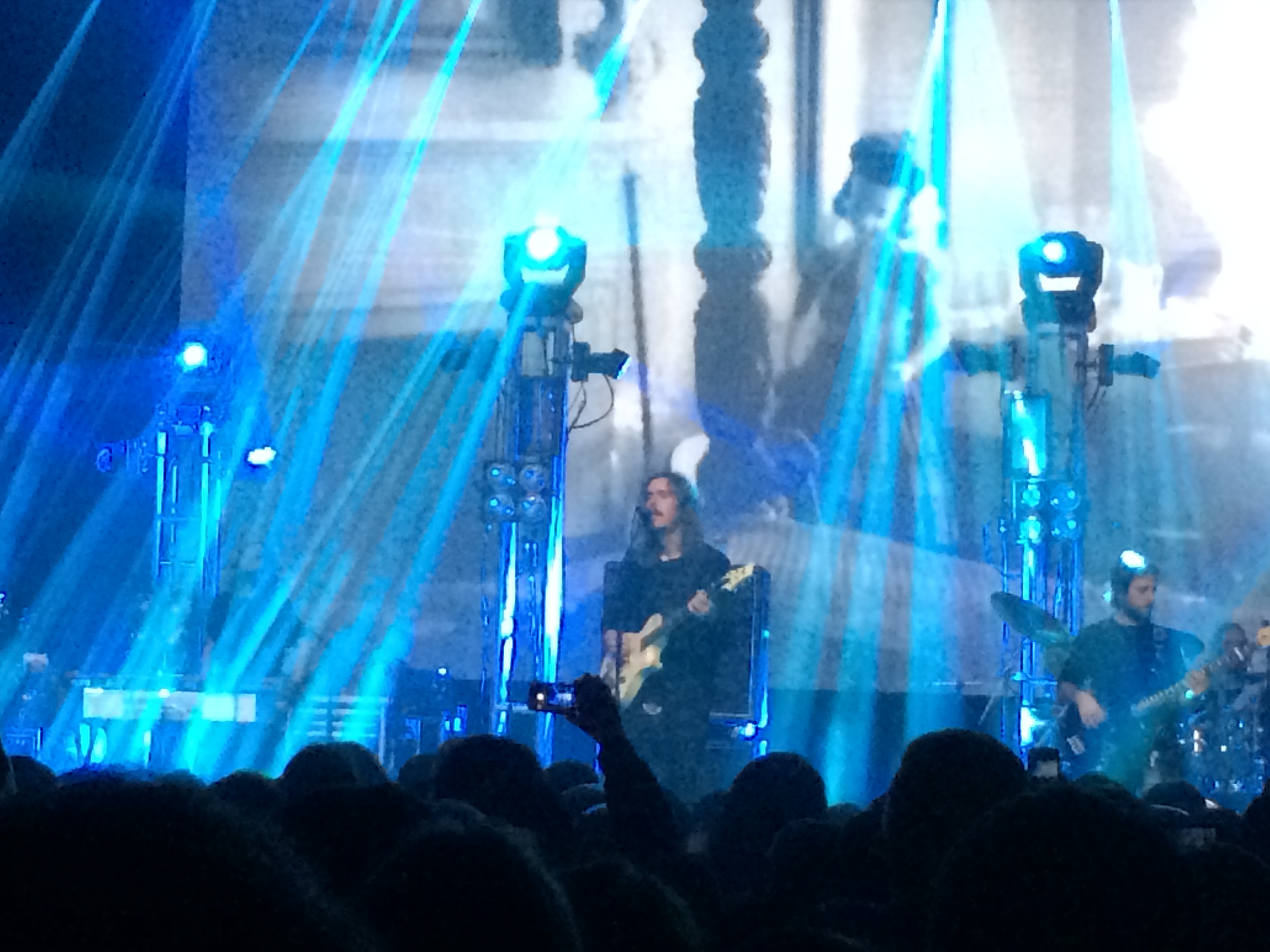
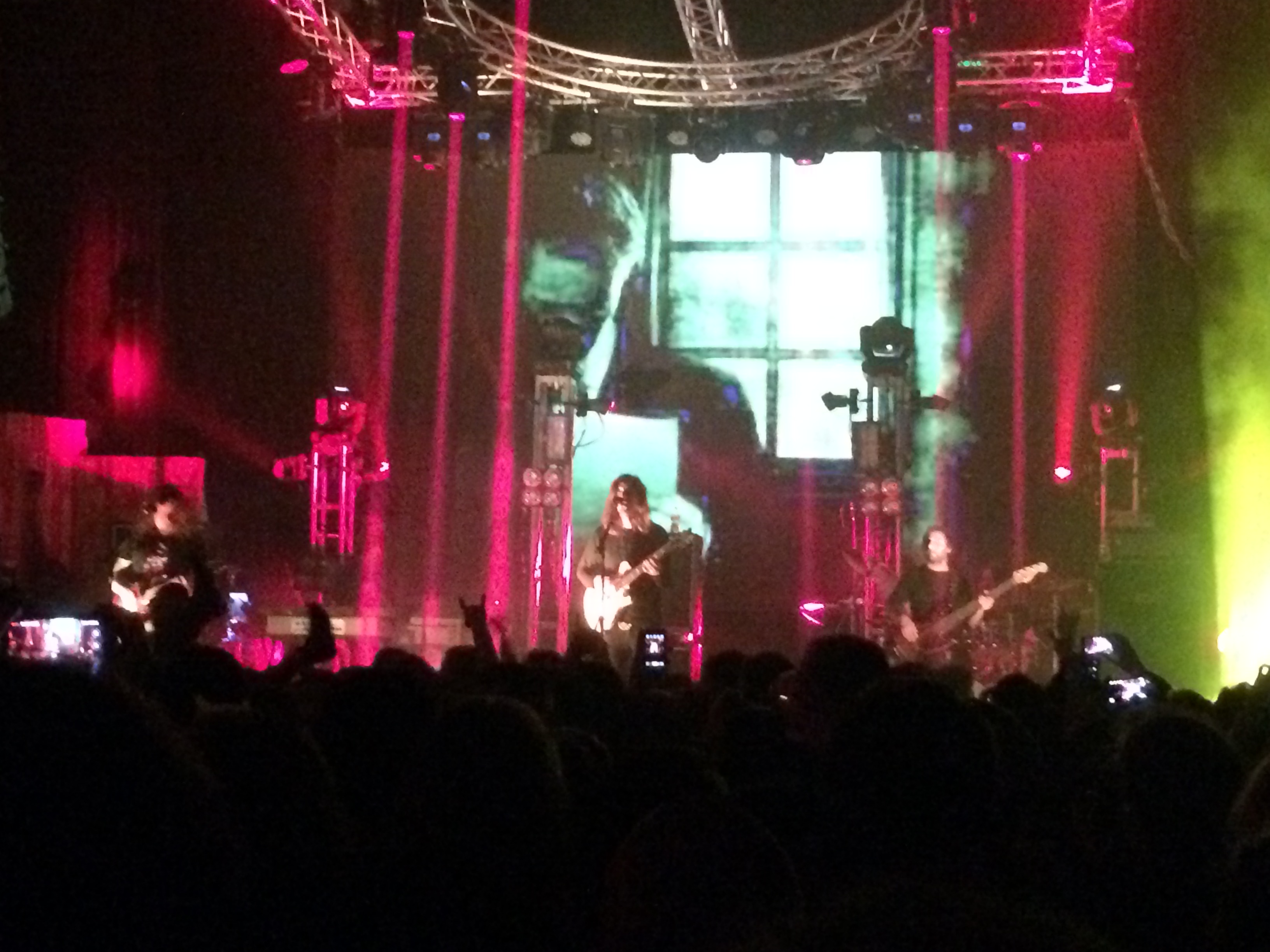
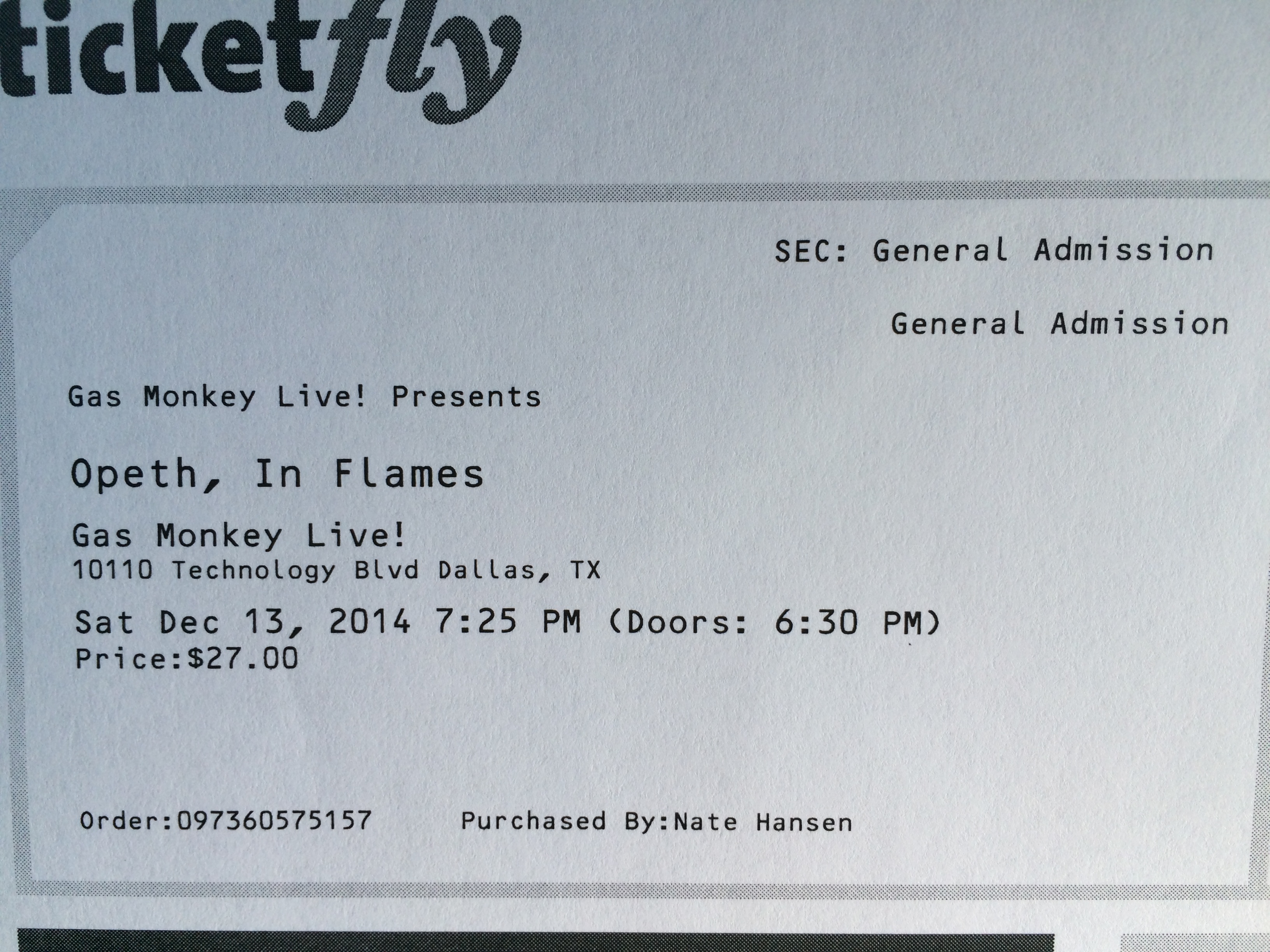
So, I’m writing this a few months after attending a metal show up in DFW. I saw Opeth, In Flames, and Red Fang. I got home around 2 in the morning.

IMG_0214I’m nearly 40, and yet there’s something about metal (and especially the subgenre of progressive metal) that appeals to me still ever since my freshman year of high school when Metallica’s black album was released and I also “discovered” Yes’s Fragile album (1972). The virtuosity for one, the ambition for another.

This is third time I’ve seen Opeth (first in 2008 on the Progressive Nation Tour in Minneapolis, and then in Pittsburgh in 2012 on a co-headlining tour with Mastodon), and as I’m writing I’m listening to their most recent album, Pale Communion, which is wonderful. Lots of great guitar work, cool organ and piano parts, rich vocal harmonies, and beautiful acoustic passages. Way more than 3 or 4 chords.

I’m a fan of many genres of music, but the three I listen to the most are classical, jazz, and metal (of various strands, with progressive and death being my favorites). Those three genres contain some of the most complex music, music that invites multiple listens.

With Opeth (and their particular brand of metal) I find that I’m always discovering new things in their music, even after dozens of passes through individual songs. Their catalog of 11 albums possesses a variety, their sounds a rich tapestry that, I’m convinced, no one can match.

IMG_0255  

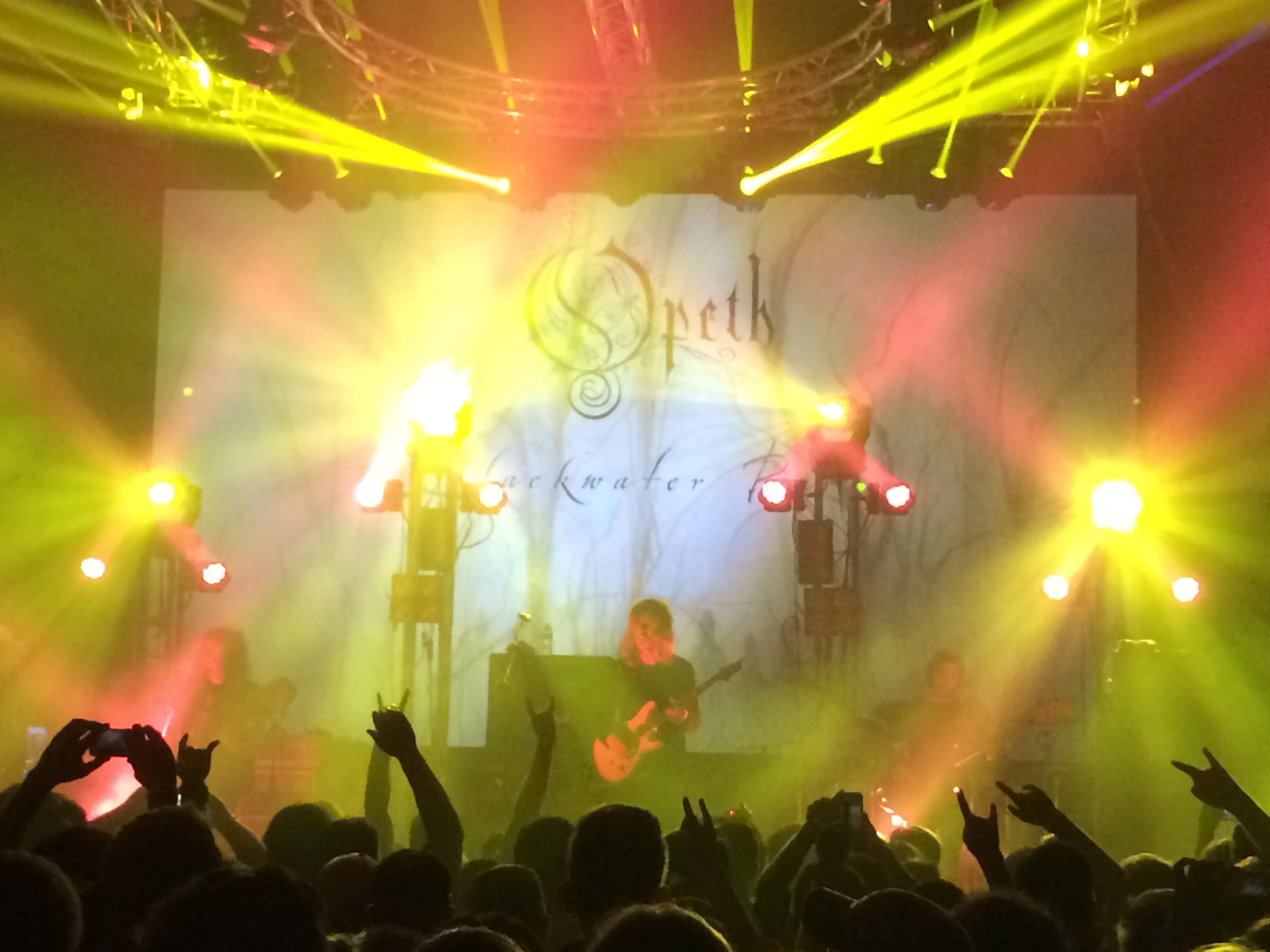
These are just few of the several dozen photos I took that evening. My iPhone camera doesn’t do justice to the amazing lighting schemes that accentuated their music. It was the perfect experience  to lead me into the semester break.IMG_0264
 

Mikael Akerfeldt is an amazing guitarist, as well as an amzing vocalist who can deliver deep growls as well as pristine clean vocals in his rich baritone. IMG_0266

Since they were co-headlining with In Flames, Opeth played only 7 songs. Each one was at least 10 minutes though, and their last song, “Deliverance,” was three days long, acccording to Akerfeldt. 

I only wish that they weren’t from Stockholm, Sweden, so that they could play more U.S. shows. 

Will I ever grow out of listening to metal? I don’t know. I kind of thought that I would have by now (being a dad and all), but nope. Power chords, distortion, and double-kick are a part of my DNA.